Beneath the verdant canopy of the Arcadia Triangle, the call to craftsmanship awakened within me. The hour had come to embark upon a quest into the art of crafting serving trays with my trusty CNC machine, much like the esteemed Shapeoko, beloved by hobbyist woodworkers far and wide. Serving trays, those humble yet noble objects of utility, often wrought from the skillful hands of many, held secrets that awaited my discovery.
In preparation for this undertaking, I procured a fine Amana Tool Carbide Tipped Bowl & Tray Bit, with dimensions both precise and purposefully chosen: a 1/4″ radius, 3/4″ diameter, 5/8″ height, and a 1/4″ shank. Two distinct tools lay before me—the ball nose bit and the bowl bit, each with its unique grace and function. The ball nose bit, devoid of flat space, contrasted sharply with the bowl bit, which possessed curved corners and a flat bottom ideal for crafting shapely pockets.
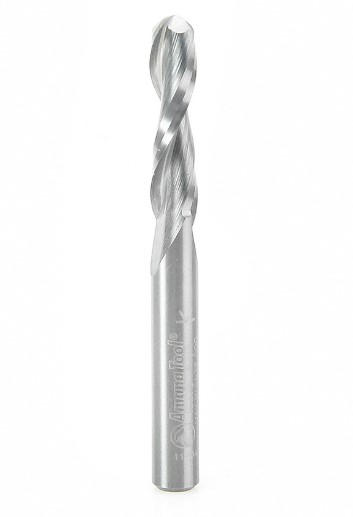
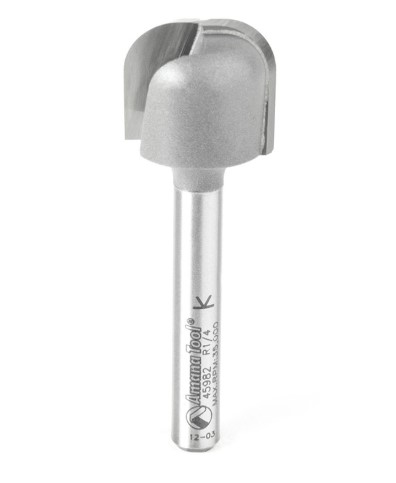
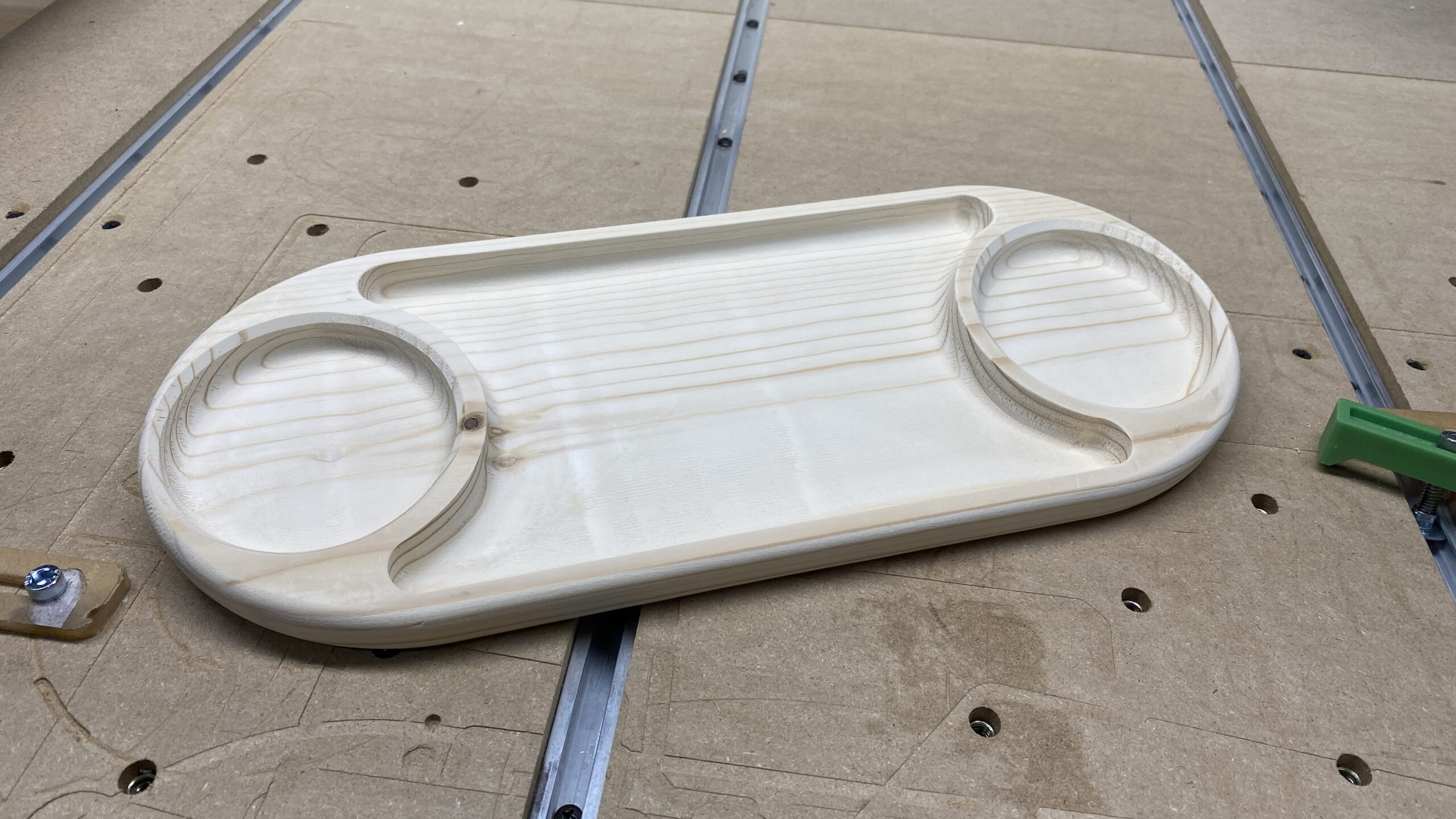
For the first venture, pine wood was selected as my ally in the making of a chips and salsa tray. The tray’s design was conceived to cradle two varying heats of salsa with chips nestled in between. The bowl bit, valiant and steadfast, served me well during both the roughing and finishing passes, revealing its prowess through the pine wood’s grain. Satisfaction filled my heart as the initial creation emerged, a testament to the tool’s craftsmanship.
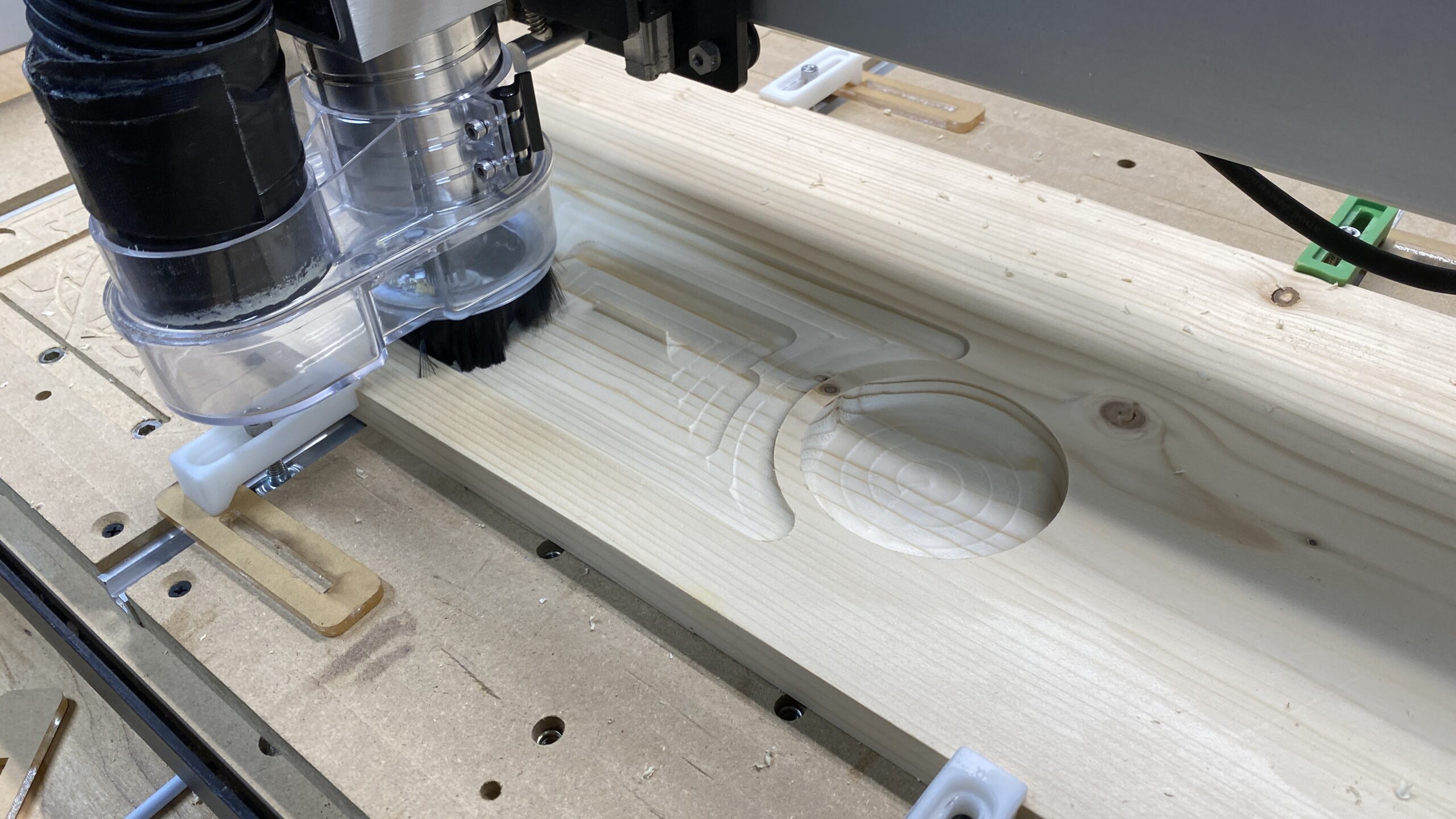
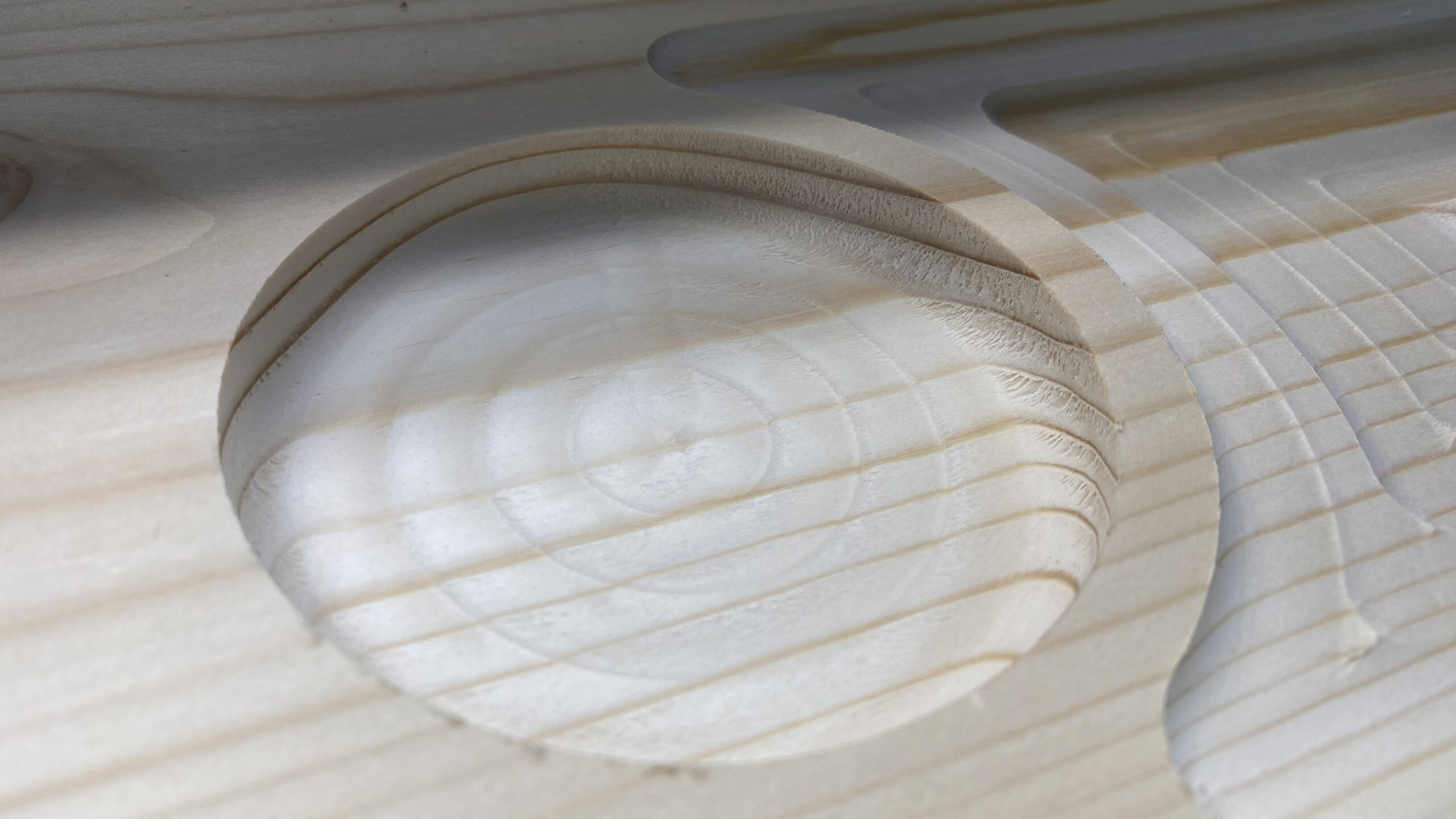
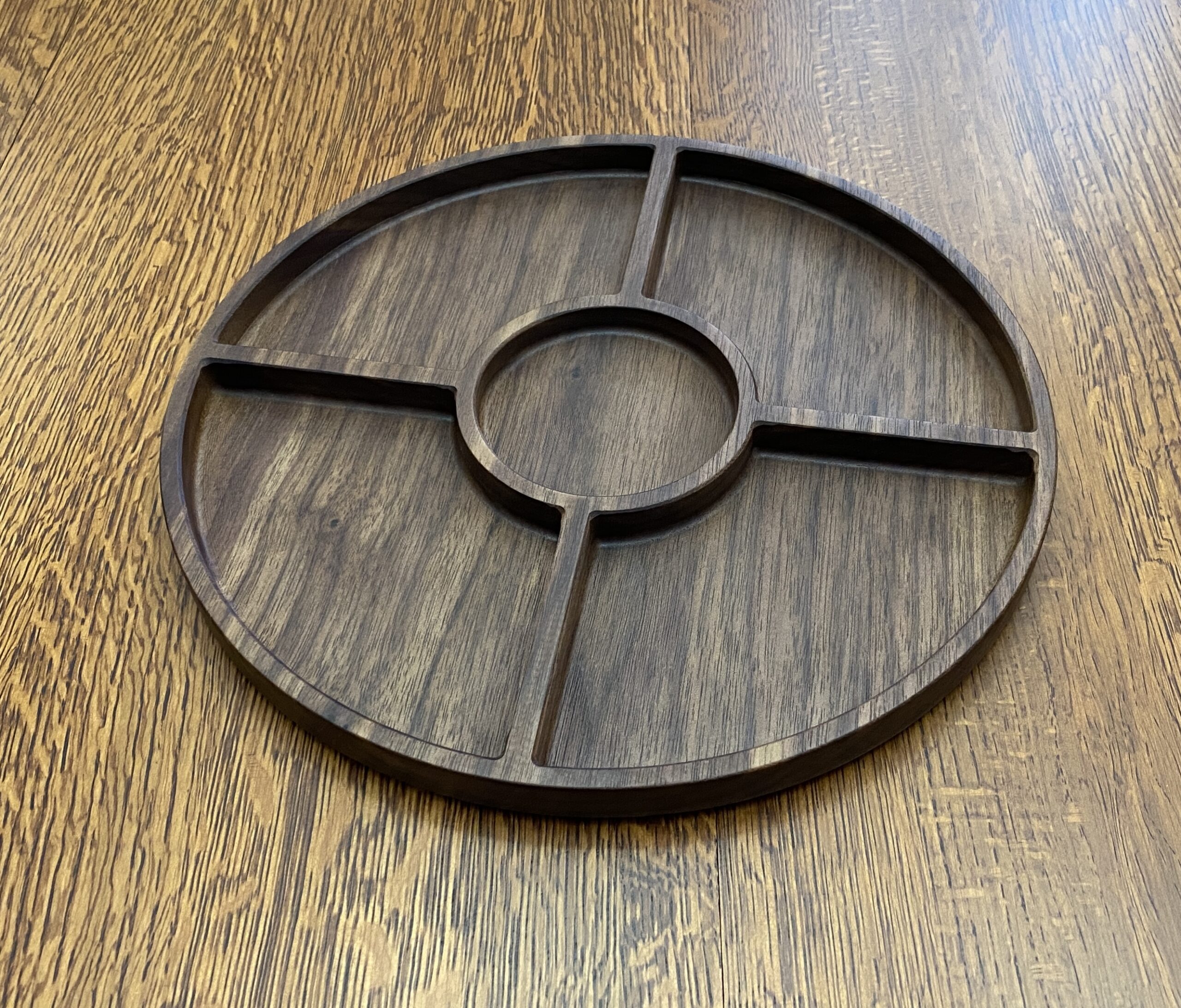
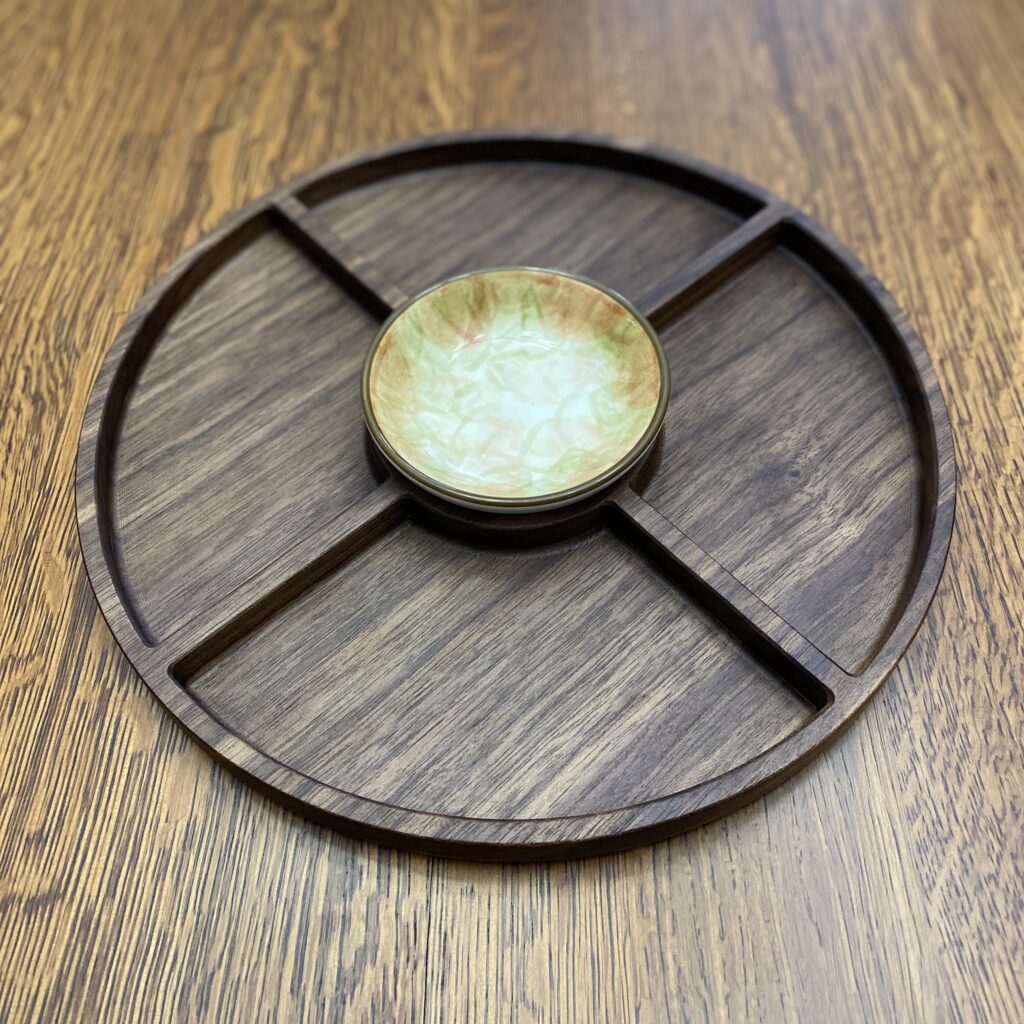
Yet, even the Arcadia area harbors shadows, and so it was with the next endeavor. Gifted by a loyal friend, a 12″ x 12″ walnut plank was destined to become a cheese and cracker tray, replete with five pockets. Alas, the journey encountered an unforeseen adversary—static discharge. This nefarious force, when wrought between the walnut and the router, caused the CNC machine to falter, disconnecting from its digital tether. Despite valiant attempts to recover, the static persisted, a relentless foe. In pursuit of resolution, I first sought to quell the dust extraction’s influence, yet to no avail. Thus, I reverted to the ball nose bit, which, though less suited to the task, allowed the project to reach completion.
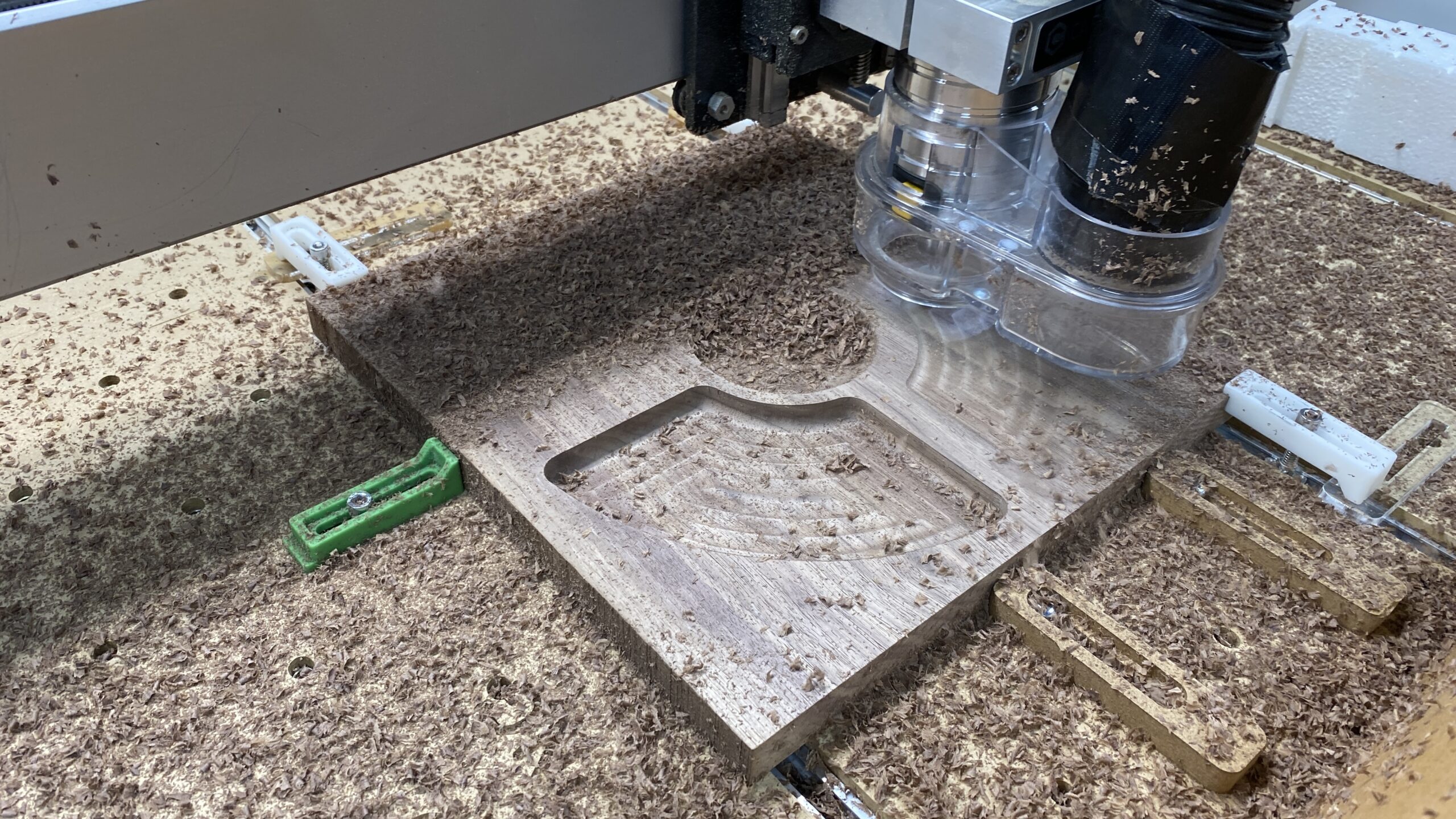
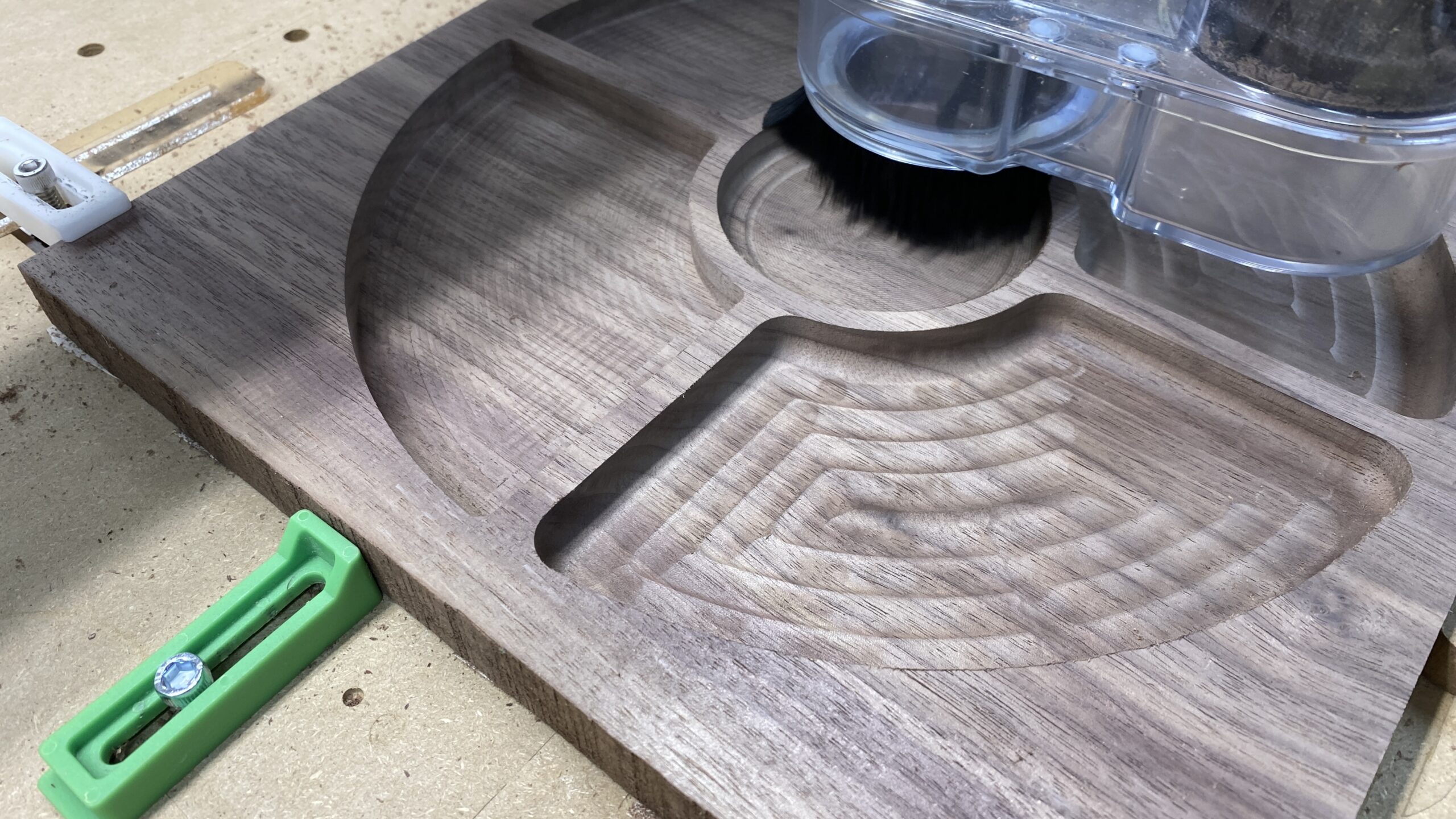
Comparison of the rough ball end mill cut surface (upper left) and bowl bit cut surface (bottom right).
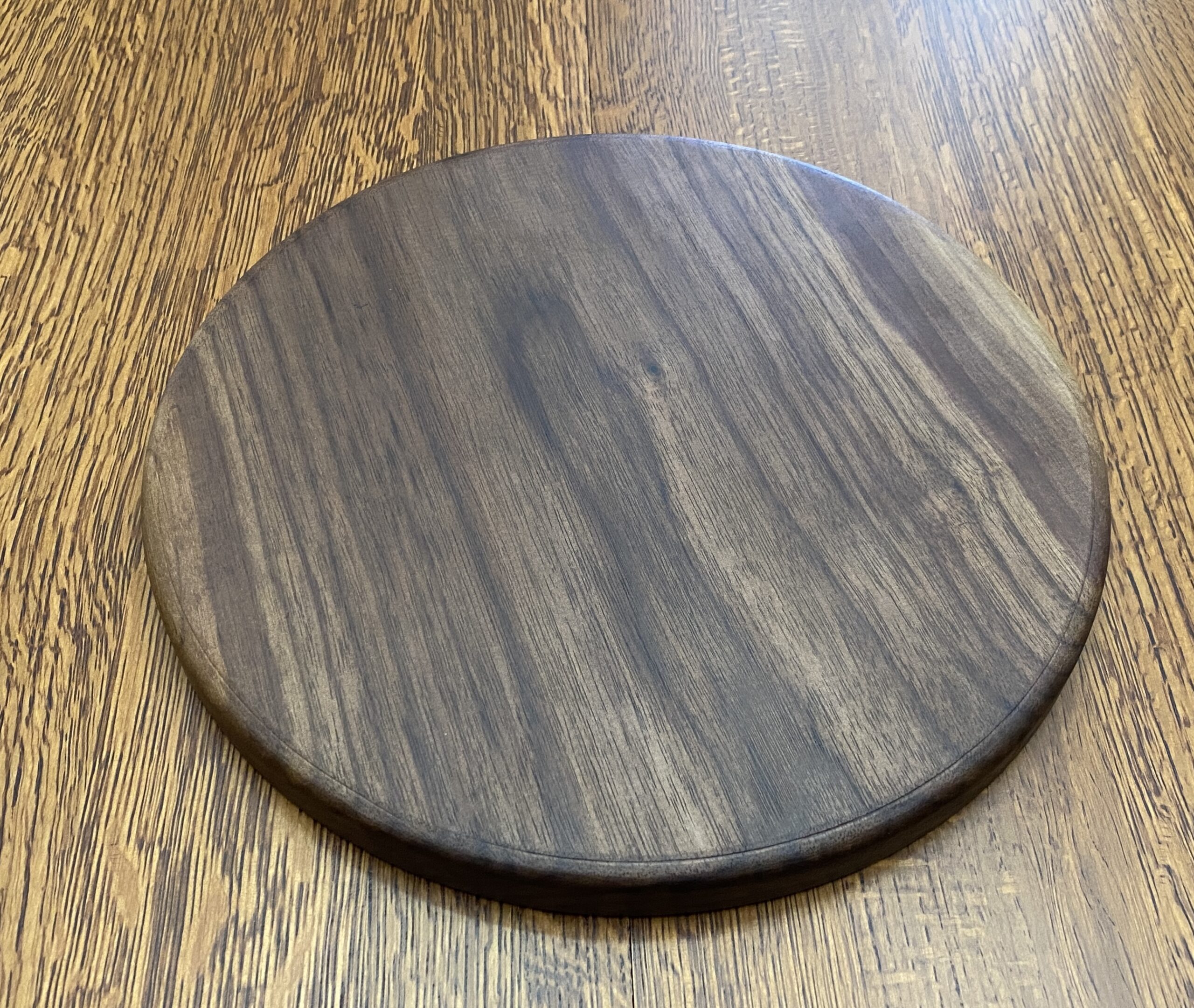
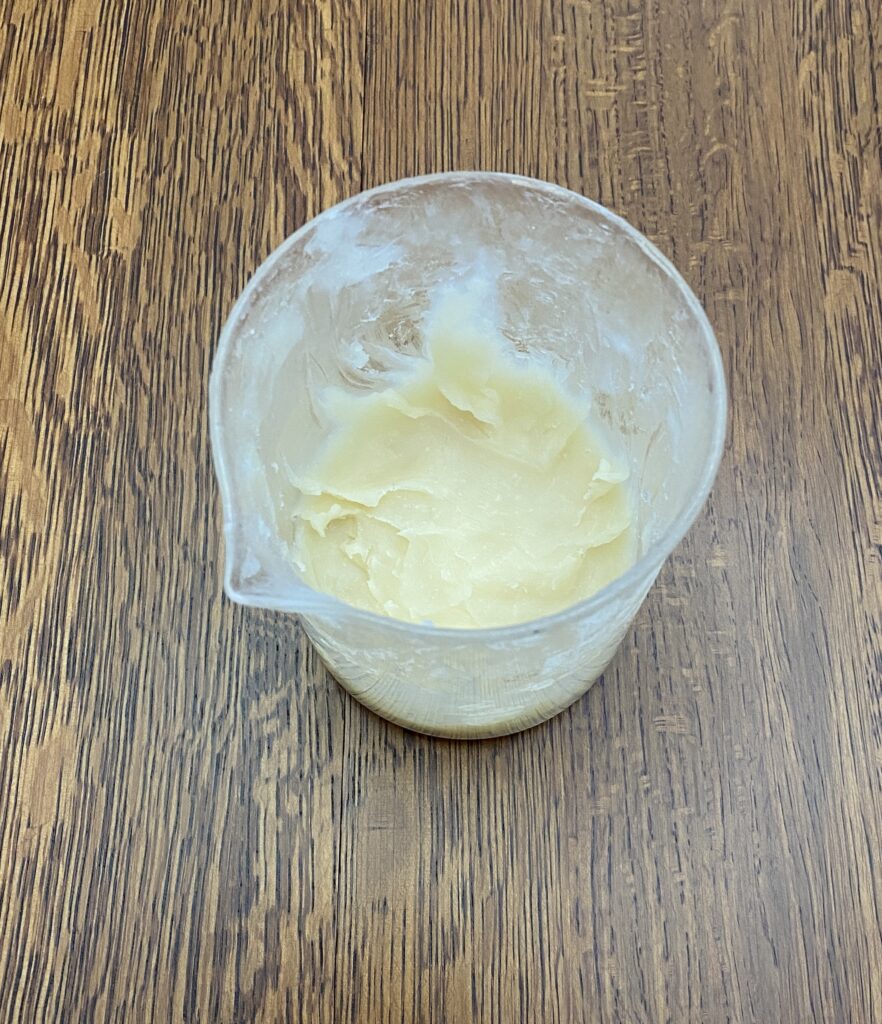
The walnut tray, despite its trials, was finished with a bespoke blend of food-grade mineral oil and beeswax, achieving a splendid result.
Now, the path forward requires a deeper understanding—a quest to devise methods for grounding the CNC machine against the vexations of static discharge. The adventure continues, with each step revealing new insights and mastery over the tools of creation.
Re-written in the Style of the Tolkien books of old. Courtesy of CoPilot.
Leave a Reply
You must be logged in to post a comment.